

Why fintech’s next phase is about participation, not adoption.
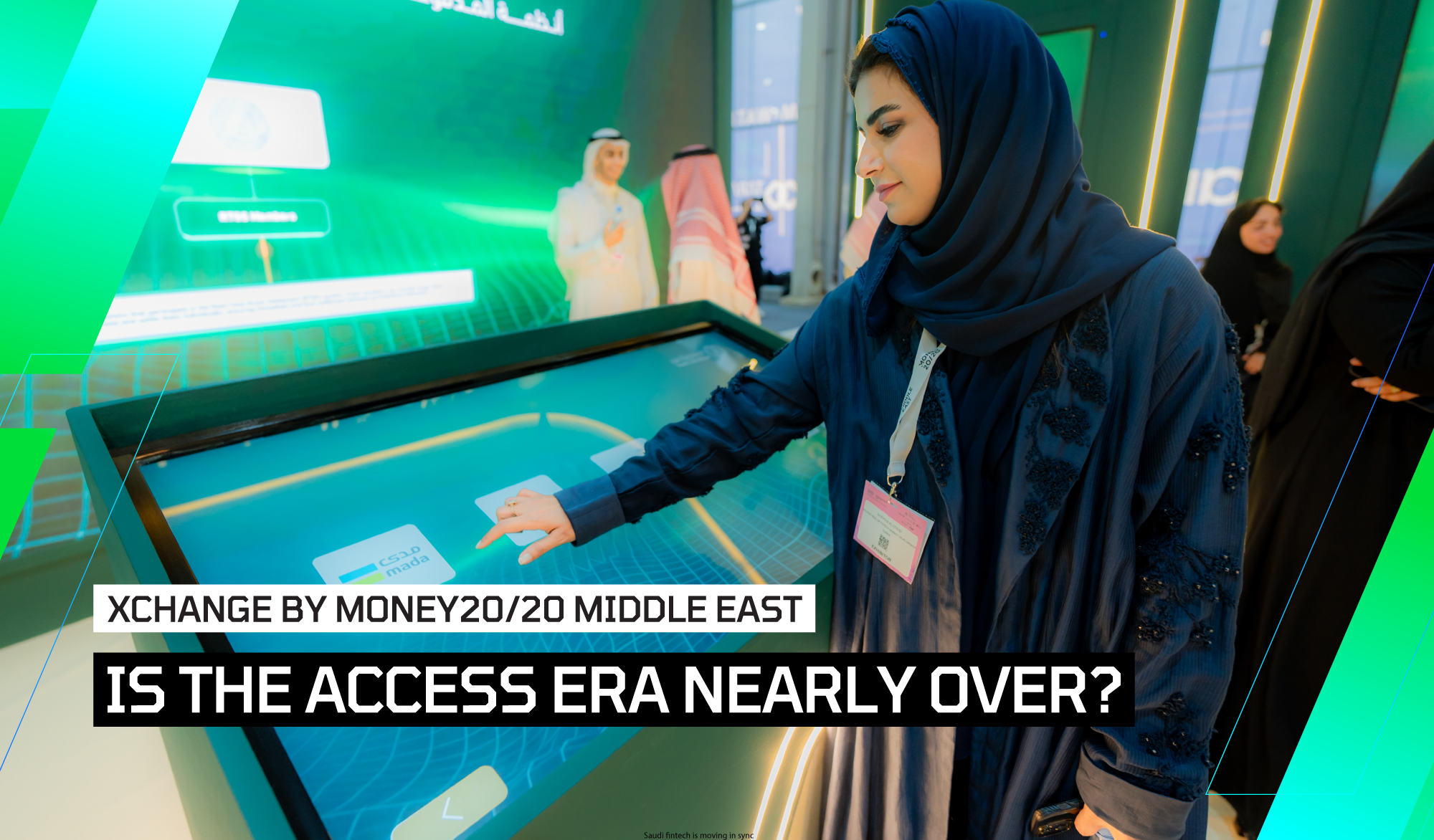
Fintech doesn’t scale through access anymore. It scales through participation.
For the last decade, fintech has pushed hard for inclusion – to get more people into the system. Open more accounts, build more rails.
That mission has made real progress. The Global Findex Database 2025 shows that 79% of adults globally had a financial account in 2024, up from 74% in 2021 and 51% in 2011. It also shows that 86% of adults worldwide own a mobile phone – a reminder that connectivity is now central to financial inclusion.
But access is no longer the whole story.
The next chapter requires a shift from users to participants: from people entering the system to people influencing it. Founders, regulators, investors and operators are no longer orbiting separate conversations. Increasingly, they’re building the market together.
That is what turns a fintech scene into an ecosystem.
Namer Khan (Chairman and Founding Board Member at MENA Fintech Association): "I think Money20/20 Middle East is bringing together global leaders in one place. Amplification of voices is critical. And most importantly creating a platform where you have young talent, emerging talent, leaders who have scaled businesses, institutions who are looking to bring capital into the sector, come together under one single roof – that’s really important not just for fintech, but any sector globally."
Watch: Who’s in the room together – at Money20/20 Middle East 2026.
Watch: The markets that move from inclusion metrics to ecosystem depth.
Do: If you’re an operator, prioritise proximity now.
Do: If you’re an investor, look for density, not just deal flow.
Who’s still not participating in fintech innovation – and how can the ecosystem welcome them in? Open this newsletter on LinkedIn and tell us in the comments.
We’ll see you back here next week.
How Money20/20 Middle East is accelerating alignment across regulators, banks, and builders
How Money20/20 Middle East is accelerating alignment across regulators, banks, and builders